If you’re wondering how long it takes to recover from porn addiction – you’re not alone. It’s one of the most common questions people ask when they begin this journey. The truth is: there’s no single answer. Everyone’s path to recovery is different – but there are clear patterns and stages that most people experience.
In this guide, you’ll learn exactly what to expect in the days, weeks, and months ahead. We’ll explore the science behind porn addiction, the role of dopamine, common withdrawal symptoms, and practical steps you can take to stay on track. Most importantly – you’ll find a shame-free, supportive approach you can follow privately and at your own pace.
Whether you’ve tried to quit before or this is your first serious attempt, this timeline can help you prepare, take action, and build lasting freedom.
👉 If you’d like additional support, you can also download a free chapter from our recovery guide here.
Section 1: Understanding the Brain: Why Porn Recovery Takes Time
When people try to quit porn, one of the first questions they face is this: “Why is this so hard?” Even when you are deeply motivated to change, cravings and mental struggles can feel overwhelming. The answer lies in the way porn impacts your brain’s reward system.
Porn is not just a harmless habit. It taps into the brain’s natural pathways for pleasure and reward, primarily through a chemical called dopamine. Dopamine is involved in how we experience motivation, focus, and desire. When you view porn, your brain releases large amounts of dopamine. Over time, repeated exposure to this high stimulation can lead to a kind of rewiring.
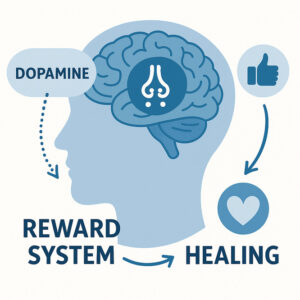
The brain adapts by reducing its natural sensitivity to dopamine. This means that ordinary activities, like spending time with friends, pursuing hobbies, or experiencing real intimacy, start to feel less rewarding. The result is a cycle where porn becomes one of the few things that brings pleasure, even if it is also causing distress.
When you quit porn, your brain needs time to restore balance. This is why withdrawal symptoms often occur. You may feel tired, anxious, depressed, or unable to focus. Many people also experience a period known as the “flatline,” where sexual desire and energy temporarily drop. This stage can be discouraging, but it is a sign that the brain is healing.
Understanding this process helps you prepare mentally. Recovery is not about willpower alone. It is about giving your brain the time and conditions it needs to reset. This is why nutrition, sleep, exercise, and social support are such important parts of any recovery plan.
In the next section, we will explore the typical timeline of recovery and what you can expect during each phase.
Section 2: Your Recovery Timeline: What to Expect in Each Phase
Every person’s recovery journey is unique. However, most people experience certain common stages as their brain and body adapt to life without porn. Understanding these stages helps you prepare for what is ahead and makes it easier to stay committed when challenges arise.
This timeline is not a guarantee of exact timing, but it will give you a realistic framework to guide your recovery. You may move through these stages faster or slower depending on your history, your habits, and the support you have in place.
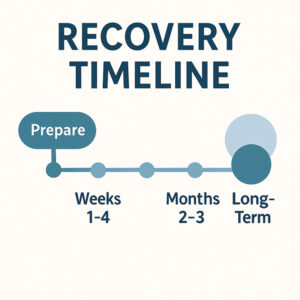
Week 0 to 1: Preparing to Quit
- Before your quit date, take time to get ready. Success is much more likely when you approach recovery with a clear plan.
- Set a quit date and mark it in your calendar. You can use our free Setting a Quit Day guide to help you prepare.
- Identify your biggest triggers. Make a list of situations, emotions, and times of day that typically lead to porn use. Then create strategies for avoiding or managing them. Our Beating Triggers PDF is a helpful tool for this step.
- Build your support system. You do not need to tell everyone about your goal, but having one trusted person you can talk to is valuable.
- Prepare your environment. Remove or block easy access to porn on your devices. Set up new routines to fill the time you previously spent on porn.
The more thoughtfully you prepare, the smoother your first weeks of recovery will be.
Week 1 to 4: Withdrawal and Adjustment
This is often the most challenging phase. Your brain is adjusting to the sudden drop in dopamine stimulation. You may experience a range of withdrawal symptoms, including:
- Fatigue or low energy
- Mood swings and irritability
- Anxiety or restlessness
- Insomnia or disrupted sleep
- Increased cravings or intrusive thoughts
- A “flatline” phase where sexual desire seems to disappear
These symptoms can feel discouraging, but they are temporary. They are signs that your brain is beginning to heal.
During this stage, it is very important to support your physical and mental health:
- Focus on balanced nutrition. Reducing sugar and eating nourishing foods can help stabilize your mood.
- Prioritize sleep. Aim for consistent bedtime routines to give your brain the rest it needs.
- Get regular exercise. Even light daily movement helps regulate dopamine and reduces stress.
- Journal your progress. Tracking your thoughts and feelings gives you perspective and helps you see how far you have come.
Remember that urges and discomfort will pass if you stay committed.
Month 2 to 3: Rebuilding New Habits
As your withdrawal symptoms fade, you will begin building a new lifestyle that supports long-term recovery.
- Cravings may still arise, especially in familiar trigger situations. Continue using your trigger management strategies.
- Your brain’s reward system starts to rebalance. Activities that once seemed dull may begin to feel enjoyable again.
- Positive habits like exercise, creative hobbies, and quality time with others will help fill the void left by porn.
This is also a good time to reflect on the deeper reasons you turned to porn and begin addressing any underlying emotional needs. Consider whether counseling or support groups might be helpful.
Month 4 to 6: Identity Shift
Around this stage, many people experience an important shift. Porn no longer dominates their mental space as it once did, but occasional urges can still appear.
- Continue practicing your new habits consistently.
- Focus on building stronger connections with others. Healthy relationships can be one of the most powerful supports for lasting recovery.
- Explore new goals and interests that align with the life you want to create.
- Begin thinking of yourself as someone who is no longer controlled by porn.
Identity is a key part of sustainable change. The more you embrace your new, healthier identity, the less room porn will have in your life.
Month 6 and Beyond: Long-Term Freedom
Recovery is a lifelong process, not a finish line you cross. Many people find that maintaining freedom from porn requires ongoing attention, but it becomes easier and more natural over time.
- Occasional urges may still arise, especially during stressful periods. This is normal and manageable when you are prepared.
- Stay connected to supportive resources, whether through community, counseling, or private study.
- Continue investing in your physical, mental, and social well-being. These areas form the foundation of a porn-free life.
- Watch for signs of complacency. Regular self-check-ins help you stay aware and proactive.
So, how long does it take to quit porn? For many, true freedom develops over 6 to 12 months of consistent effort and lifestyle change. The more committed you are to the process, the more lasting your results will be.
Section 3: Key Tips for Success
Recovery from porn addiction is not just about stopping a behavior. It is about creating a life where you no longer feel the need to turn to porn. Here are some key tips that can help you succeed at every stage of your timeline.

Do not quit alone
Isolation fuels addiction. Even if you want to recover privately, having some level of support makes a big difference. This could be a trusted friend, a support group, a counselor, or an online community. Knowing that you are not alone in this process builds resilience.
Take care of your body
- Your physical health directly impacts your ability to manage urges and stay emotionally stable.
- Nutrition matters. Reduce sugar and processed foods. Eat plenty of whole foods, protein, and healthy fats. Our Better Nutrition Guide can help you build a supportive eating plan.
- Prioritize sleep. Recovery is exhausting. Giving your body consistent, high-quality rest is one of the best ways to support healing.
- Move daily. You do not have to run marathons, but regular movement helps balance dopamine levels and reduces stress.
Journal your journey
Writing regularly helps you process emotions and track progress. Many people find that their perspective changes significantly when they can look back and see how far they have come. Use journal prompts from our book to guide your reflection.
Expect triggers and plan for them
Triggers will happen. Success depends not on avoiding them completely, but on managing them well. Use the strategies in our Beating Triggers guide to prepare in advance. When you encounter a trigger, respond with curiosity and compassion rather than shame.
Focus on progress, not perfection
Recovery is rarely a straight line. There may be setbacks or difficult days. What matters is your commitment to continue moving forward. Treat yourself with kindness. Learn from each experience and recommit to your goals.
If you stay engaged with these practices and give yourself the time your brain needs to heal, recovery is not only possible, it is sustainable.
Section 4: When to Seek Professional Help
While many people can recover from porn addiction using self-guided resources, there are times when professional help is the best choice. Seeking help is not a sign of weakness. It is a wise and courageous decision that can give you the support you need to succeed.

Consider reaching out to a professional if you experience any of the following:
Severe or prolonged withdrawal symptoms
If your withdrawal symptoms feel unbearable or persist for many weeks without improvement, professional support can help you manage them safely. This may include therapy, medical evaluation, or both.
Mental health struggles
Porn addiction often coexists with other mental health challenges such as depression, anxiety, trauma, or low self-esteem. If you are experiencing significant mental health symptoms, it is important to address them as part of your recovery.
A licensed counselor or therapist who understands behavioral addictions can provide effective strategies for healing.
Repeated relapse cycles
If you find yourself stuck in a pattern of quitting and relapsing despite your best efforts, a professional can help you uncover underlying factors that may be driving the cycle. With the right support, you can break free from these patterns.
Relationship repair
If porn addiction has impacted your relationships, counseling can help you rebuild trust and improve communication with your partner or loved ones. Having a neutral, supportive space to work through these issues can be invaluable.
Remember, you do not have to do this alone. Whether you choose professional help now or later in your journey, it is always an option you can explore when you are ready.
Section 5: Final Thoughts
Recovery from porn addiction is not about perfection. It is about progress and persistence. No matter how many times you may have tried before, this can be the time that lasting change begins.

The timeline of recovery will look different for everyone. Some will feel major shifts in a matter of weeks. For others, it may take months before real freedom takes hold. The key is to approach recovery as a lifestyle change, not a temporary effort.
Be patient with yourself. The changes happening in your brain and body are real and take time. Trust that each small step you take is moving you forward.
If you prepare well, manage your triggers, care for your physical and emotional health, and stay connected to supportive resources, you will build a strong foundation for lasting freedom.
You deserve a life that is not controlled by addiction. You deserve peace, connection, and joy.
If you would like more guidance and tools to support your recovery, we invite you to download a free chapter from our book, Cure Your Porn Addiction for Good.
It is a private, step-by-step guide that can help you at every stage of your journey.
👉 [Download your free chapter here → link]
For additional help, you can also explore our full recovery course or visit our FAQ page for more resources.
 By submitting your contact details, you are providing your data to Center For Sex, Porn And Masturbation Addiction who may contact you.