Feeling overwhelmed by the thought, “why am I addicted to masturbating?” is more common than you might imagine. This post speaks directly to the heart of what you’re experiencing—without judgment or shame. We’ll explore how deep-seated emotions, stressors, and patterns of thinking can unconsciously steer you toward compulsive self-pleasure. By offering a compassionate framework and clear next steps, you’ll begin to understand why these urges arise and how to step gently into healthier, more fulfilling alternatives.

2. Defining Compulsive Masturbation
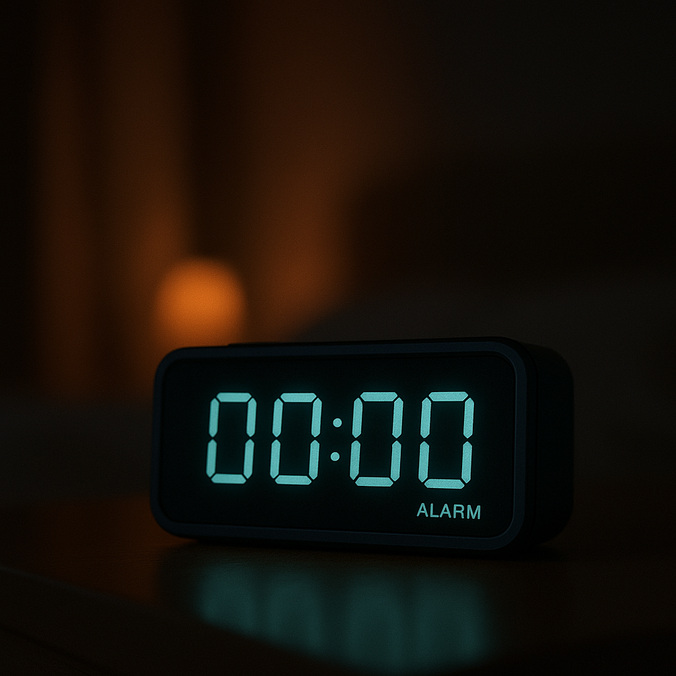
It’s important to distinguish regular self-pleasure from a compulsive pattern that interferes with daily life. Compulsive masturbation occurs when the urge becomes an automatic response to discomfort—so powerful that it overrides your own intentions. You might notice you begin to schedule private moments around it, or that everything else takes a back seat once the need strikes. Rather than listing symptoms, imagine a gentle alarm going off in your mind every time you feel stress or loneliness. Over time, that alarm can become a relentless siren, pulling you toward the same relief-driven action again and again.
3. Emotional Roots of the Habit
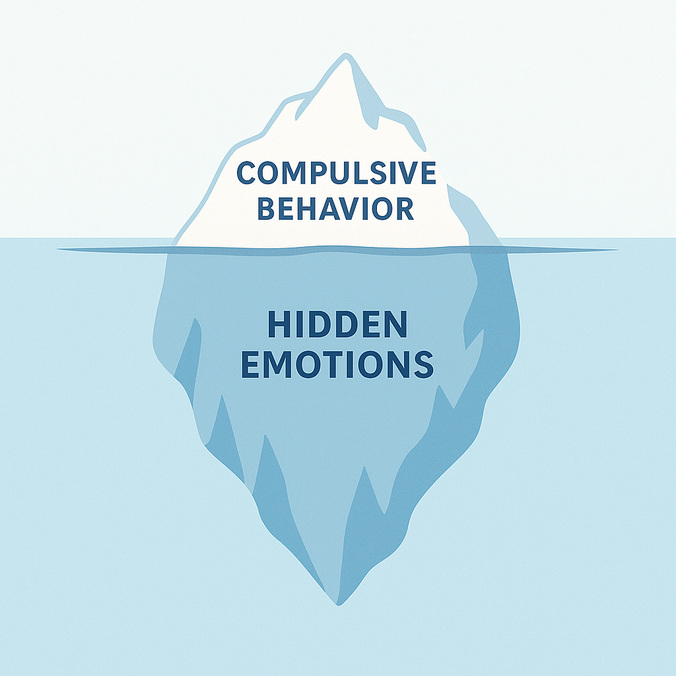
Behind the compulsion often lies an emotional landscape waiting to be acknowledged. Maybe you first discovered self-touch as a way to feel safe when life felt unpredictable. Perhaps loneliness crept in after a major life change—losing a relationship, moving cities, or shifting jobs—and the physical ritual became a stand-in for connection. Guilt and shame, in turn, can deepen the cycle: after the act, you may feel isolated or heartbroken with yourself, driving you to seek comfort in the very behavior you regret. This emotional tug-of-war magnifies the urge, making change feel nearly impossible on your own.
4. How the Brain Reinforces the Cycle
Each time you masturbate, your brain releases dopamine, the neurotransmitter linked with pleasure and reward. While dopamine itself is not the enemy—after all, it powers our motivation—it becomes problematic when your brain starts expecting that surge at every stress cue. Imagine neural pathways as grooves in a well-used trail: the more you follow it, the deeper the groove becomes, making it ever easier to slip into the same rut. Over weeks and months, this pathway transforms from a gentle trail into a highway your brain defaults to whenever discomfort arises.
5. Early Signs and the Moment of Realization
Often, you’ll first notice a whisper of regret or a creeping thought: “I didn’t plan to spend an hour there.” You may find yourself avoiding friends, delaying tasks, or skipping meals without quite understanding why. That sudden awareness—whether in the solitude of the night or the quiet minutes before work—can feel like a wake‑up call. Rather than dismissing it, pause. That moment of recognition, as uncomfortable as it feels, is actually your ally: it shows you care and are ready for a new way forward.
6. Gentle Self-Inquiry: Questions to Ask Yourself
Before diving into solutions, try these reflective prompts. Write your answers without judging them:
- When did the urge feel strongest today, and what emotions were present?
- What thoughts ran through your mind right before you acted?
- What did you hope to achieve—comfort, distraction, relief?
- How did you feel immediately afterward—lighter, ashamed, neutral?
These prompts help you uncover the patterns driving your behavior, so you can address the root rather than the symptom.

7. Building Compassionate Interventions
Breaking the cycle doesn’t require willpower alone—it calls for kindness and creativity. Start by introducing small detours at moments of temptation. If you notice the urge rising, try:
- Standing up and stretching every 30 minutes, allowing fresh blood flow and mental reset.
- Taking a single minute of slow, diaphragmatic breathing while naming three things you’re grateful for.
- Doodling or squeezing a stress ball, channeling the nervous energy elsewhere.
The goal isn’t perfection but compassionate experimentation. Celebrate each small victory—any pause of even 30 seconds counts.
8. Creating a Supportive Environment
Your surroundings can either fuel old habits or nurture new ones. Consider these adjustments:
- Phone-Free Zones: Keep your device out of reach in moments of vulnerability—bedroom, bathroom, or late-night couch.
- Visual Prompts: Place a sticky note on your mirror with a brief affirmation: “I can pause and choose kindness.”
- Healthy Replacements at Hand: Stash a fidget cube, a sketchpad, or a mindfulness app shortcut in the places you once retreated.
Over time, these cues will help you build fresh neural grooves—trails that lead away from compulsion.

9. When Professional Help Becomes Vital
Some emotional wounds run deeper than self-help can reach. If you find that urges remain overpowering, or if guilt and shame persist despite your best efforts, seeking expert guidance is a strength, not a setback. A therapist trained in addiction and trauma can help you process painful memories and teach tailored coping strategies. Online, look for confidential support groups where members share anonymously, reassuring you that you’re not alone in this journey.
10. Your Path Forward
Recovery from compulsive masturbation is about rewiring your brain and rediscovering your innate worth. Each time you pause, reflect, or reach out, you reclaim a piece of yourself that was buried beneath the habit. Start today by choosing one small action: set a daily breath reminder, journal your first answer to the self-inquiry questions, or simply affirm that you deserve compassionate care.
Remember, change feels uncomfortable because growth often does. If you stumble, treat yourself like a trusted friend—offer understanding, curiosity, and hope, and then stand up and keep going. Your next choice has the power to chart a new course—one steeped in self-respect, genuine connection, and lasting peace.
Take the next step:
- Download our free “10 Steps to Begin Shame-Free Recovery” PDF for practical exercises you can start immediately.
- Explore our private CSPMA course for guided support at your own pace.
- Join our anonymous recovery community to share experiences without fear.
You’re not defined by this struggle. You are defined by your courage to seek a better way—and that courage starts now.

 By submitting your contact details, you are providing your data to Center For Sex, Porn And Masturbation Addiction who may contact you.